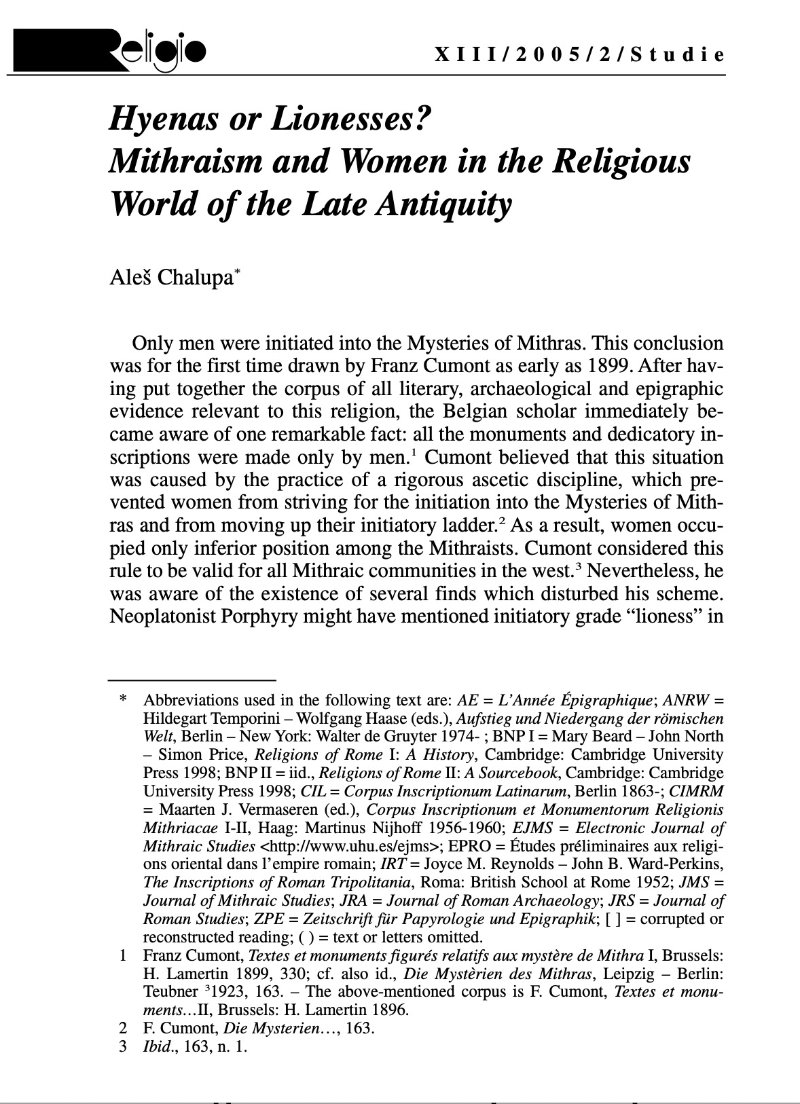
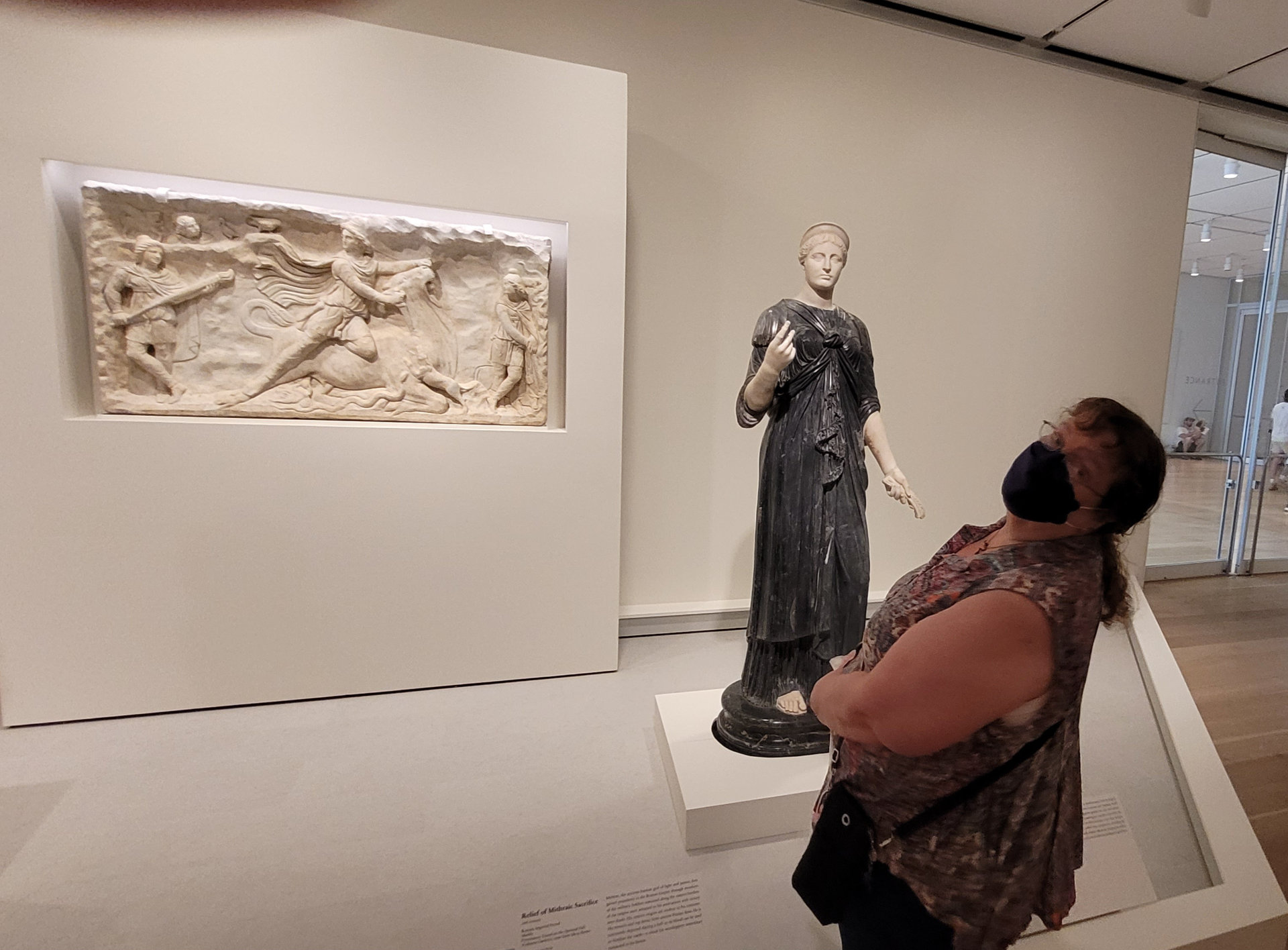
Hi Levin: It’s quite a common point of view in religious contexts to worrying about to what extent can libido distract some men and women from a supposed true purpose. It’s also probable that social factors played a part. In ancient societies (and not so ancient), sexual and gender roles were clearly defined. Just as there were no female soldiers or women had no political rights, to vote or to run for office, in ancient Rome, they also didn’t take part in many other areas of life. Roles were clearly marked and as you mention, women had some private cults where men weren’t allowed either. The cult of Mithras, in that regard, was simply a male one. I remember that not so long ago, and probably still today, there were lots of institutions and conferrees in Europe that were exclusively male, and until quite recently nobody really thought of that as discriminatory, but of course, times have changed (maybe not in essence but definitely in form!)
This catalogue proposes, thanks to the contributions of some 75 international experts, a new synthesis for a complex and fascinating cult that reflects the remarkable advances in our knowledge in recent decades.
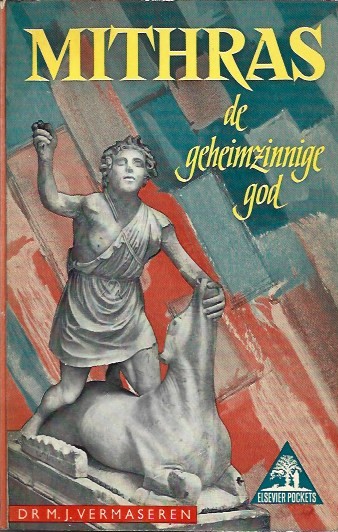
De oorspronkelijke Nederlandse uitgave van 1959 introduceerde het werk van Vermaseren, dat als klassiek geldt in de populaire studie van het mithraïsme en dat de belangstelling voor deze cultus blijvend heeft gevormd.
In Plutarch’s Life of Alexander, the grieving Darius binds the eunuch Tireus by the light of Mithras to reveal the truth about his captive wife Statira, a solemn appeal that leads to unexpected praise for Alexander’s honor and restraint.
Salve Aleš, I’ve checked the translation you mention and agree that Eucheta is more likely the curans than the donor’s cognomen. I’ve updated the monument page accordingly. Most details there come from the cited source, so you may wish to reach out to the authors for further discussion. Thanks, as always, for pointing it out.
I’m working on this inscription, and I’m not sure if you’ve understood and translated it correctly. If you assume that the person dedicating the altar was Terentius Priscus Eucheta, son of Publius, it means that the word "curante" is not followed or preceded by any word in the ablative case. I think that Manfred Clauss’s idea (Cultores Mithrae, p. 20-21) that the altar was dedicated by Terentius Priscus "under the supervision/guidance of Eucheta" (Eucheta curante) is a better interpretation. The suggested translation then would be: "Terentius Priscus, son of Publius, dedicated (or presented as a gift according to the vow) to the god Invictus Nabarze, under the guidance of Eucheta and together with other worshipers."
Salve Aleš, I’ve checked the translation you mention and agree that Eucheta is more likely the curans than the donor’s cognomen. I’ve updated the monument page accordingly. Most details there come from the cited source, so you may wish to reach out to the authors for further discussion. Thanks, as always, for pointing it out.
My pleasure, Levin. I can’t offer much advice on moving unless you’re heading to Europe, but perhaps some of our American members can guide you. Glad you found us too. Vale.
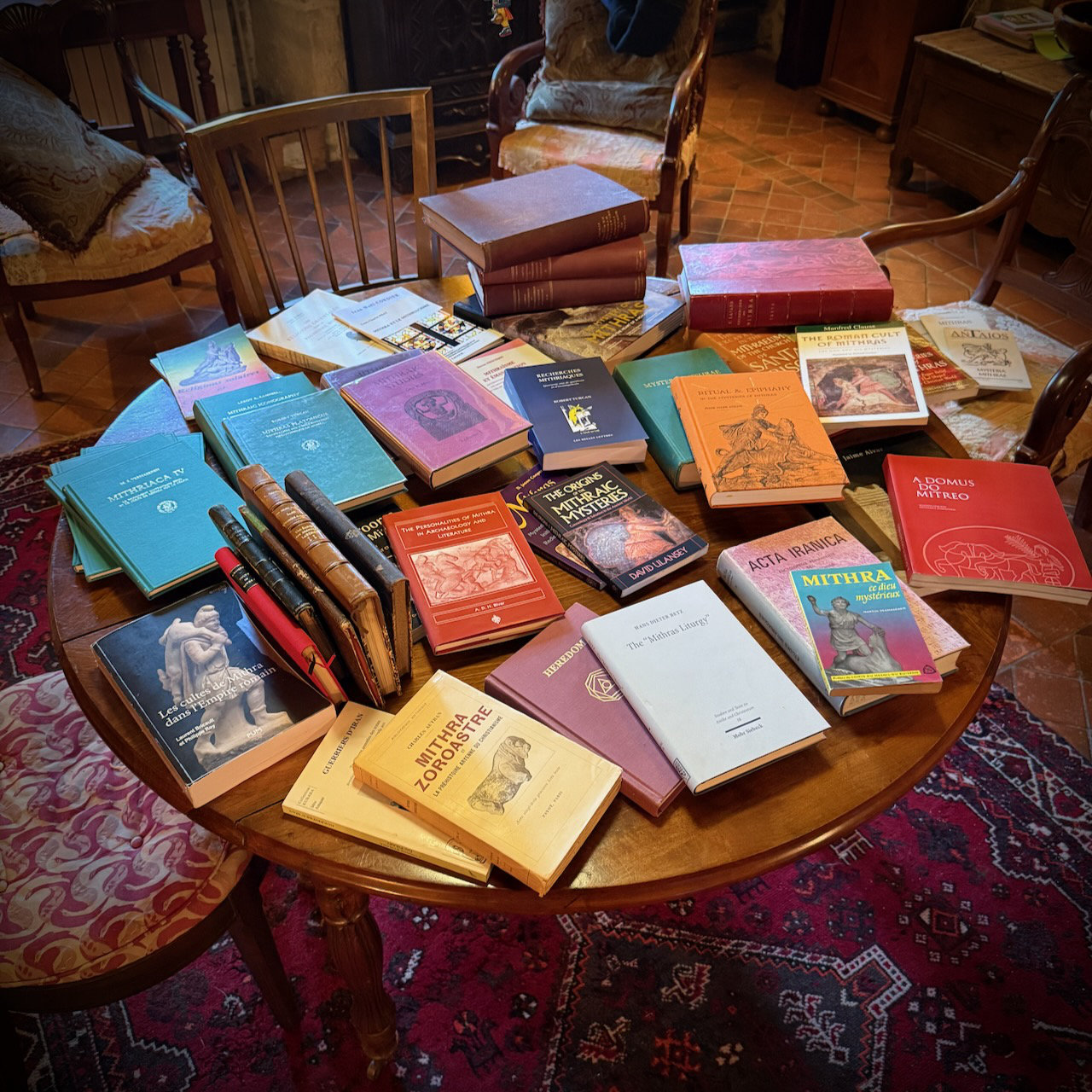
I’m excited to finally have my copy of ‘Ritual and Epiphany in the Mysteries of Mithras’ by Peter Mark Adams! The book is now officially available. Feel free to share your thoughts—I’d love to hear what you all think!