On universal traditions, local communities, initiation and ritual in the Roman cult of Mithras with Csaba Szabó.

Notitiae
An esoteric journey through Mithraic sanctuaries, blood symbolism, initiation, solar mysteries and the survival of the pagan spirit in the West.
A flaw in the dominant narrative or just the usual genealogy?
A theological experiment in Neo-Platonic realism, theology of arithmetic, and teleological metamorphoses of powers in the divine, terrestrial, and chthonic worlds across the cosmic symphony.
Libri
Introductio
Press clips

Archaeologists at Doliche are now excavating houses around the vast Mithras temple to learn how people lived beside the sanctuary.
Newsroom

The Mysteries of Mithras is an independent Initiatic Order which is inspired by and uses the allegory of the lost and ancient Mithraic Mysteries also known as Mithraism a previously influential Roman Cult of the same name.
Mysteriesofmithras/sandbox
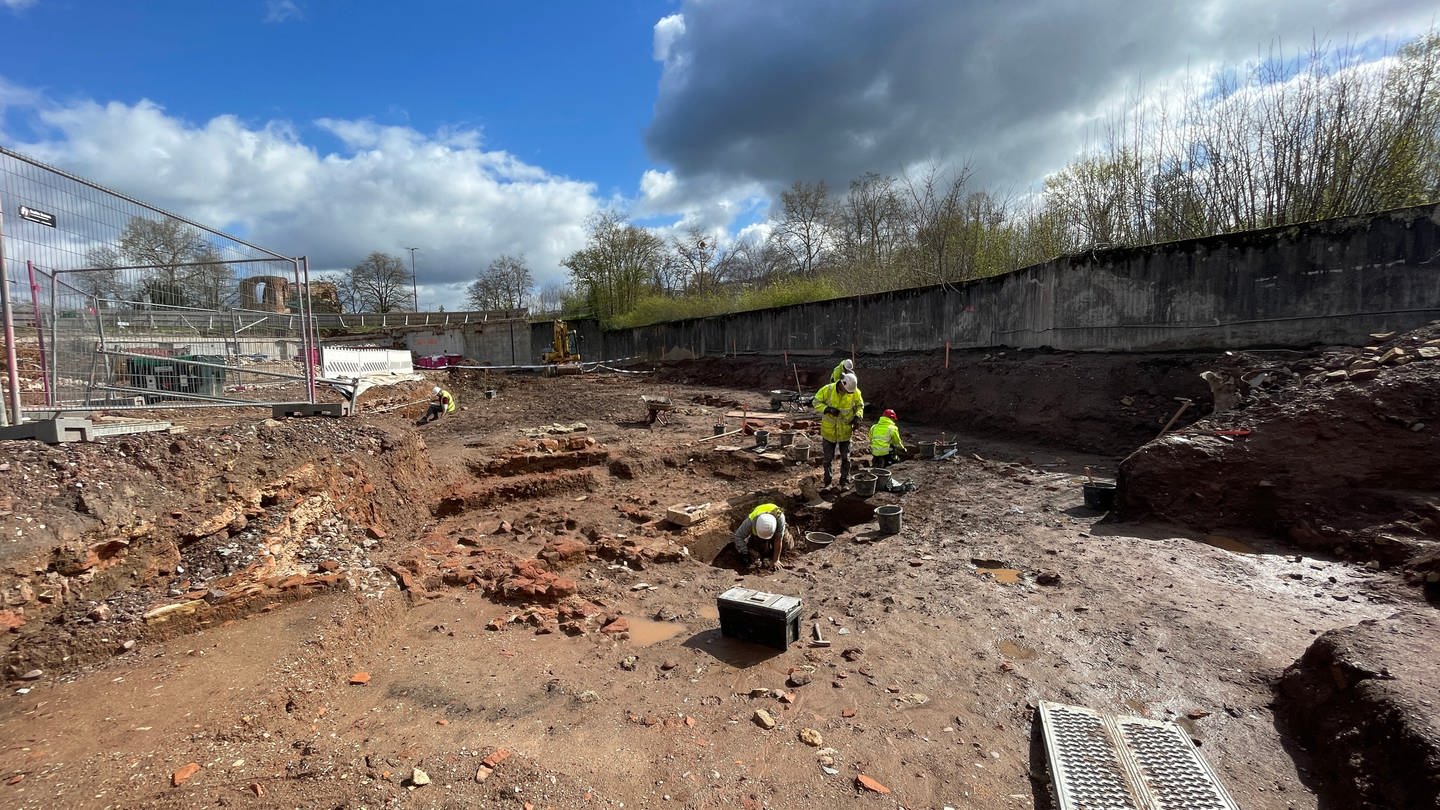
A place of worship for the Roman god of light Mithras was discovered during archaeological excavations in Trier. This includes a larger relief.
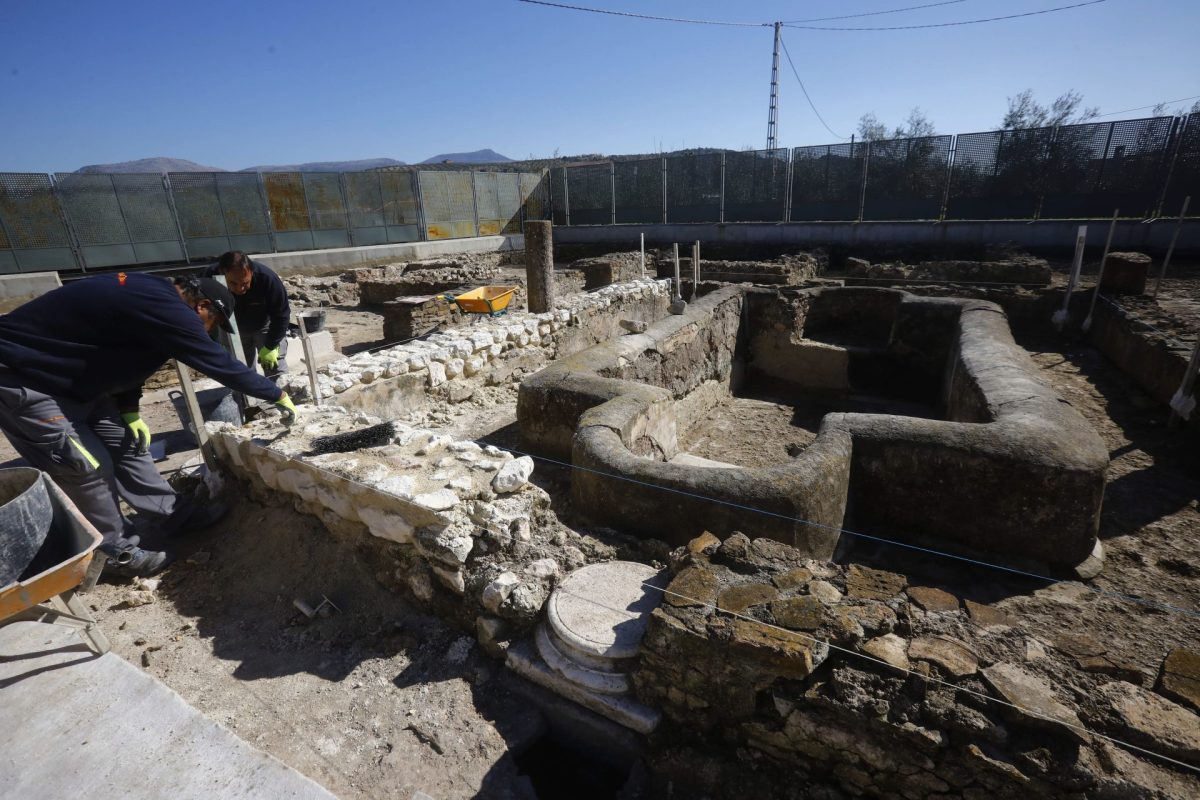
Las excavaciones llevadas a cabo en el yacimiento arqueológico romano de la villa de Mithra, en Cabra (Córdoba), han deparado el excepcional hallazgo de un mitreo, o zona destinada al culto al dios Mithra, cuya estatua fue descubierta hace unos 70 años.
Agencia
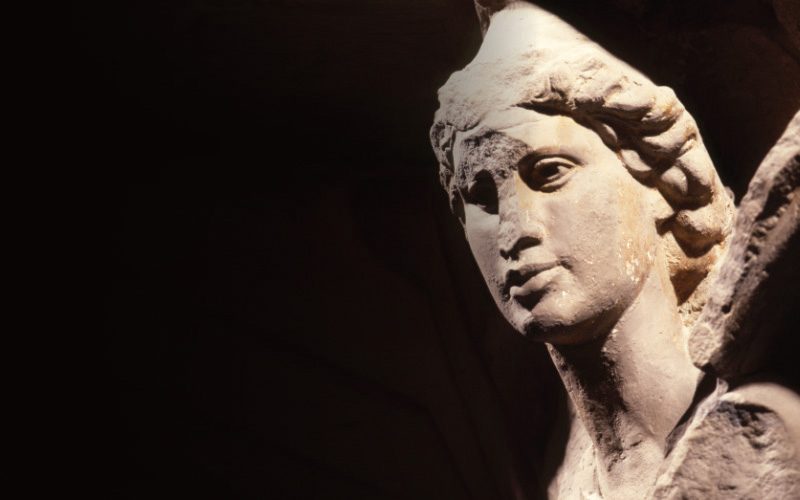
On the occasion of the exhibition, the Royal Museum of Mariemont invites five experts from Europe to emulate the research on the cult of Mithras.
The name of this domus comes from the fact that some authors once associated one of its mosaics with the cult of Mithras, a connection that has since been dismissed.
The Housesteads Mithraeum is an underground temple, now burried, discovered in 1822 in a slope of the Chapel Hill, outside of the Roman Fort at the Hadrian's Wall.
For the first time, a Mithraeum has been discovered in Corsica, at the site of Mariana, Lucciana (Haute-Corse).
The Mithraeum of Regensburg represents the earliest of the nine Mithraic sanctuaries so far documented in Bavaria, Germany.
Tauroctony from Reșca
Terracotta krater from the Friedberg Mithraeum
Bronze torchbearer from the Cabinet des Médailles
Seal of King Šauštatar of Mitanni
Tauroctony framed by acanthus leaves
Marble statues of Cautes and Cautopates from Rusicade
Altar to Cautopates by Cresces from Ptuj
Tauroctony relief from Biljanovac
Two-sided relief from Stockstadt
Sententia
Amazing article, thank you.
;) and what about the armour!
on a post
salve. The site entry for Gaius Cassius Flavianus says there is attestation that he was part of the mithraeum at Ad Enum…
Thank you for your testimony, great! And then, a Mithras stele without the Sun is like Jesus without the cross…
Dear Senior Amicus, While you are, strictly speaking, absolutely correct, it is worth recalling…
on Mithraeum at Santa Maria Capua Vetere. Revisited in February 2026
Aion is 545 I checked
Thank you, Alejandro. I’ve just added a link to the article for anyone who’s interested.
Ave, dear Andreu, Christianity is contemporary with Mithras and indeed borrows the Platonic chiasma…
On the basilica of Autun (1148) the journey is reversed: souls ascend to heaven by the Moon and…